
 English
 русский
 Français
 Español
 Português
 Deutsch
 عربى
عربى

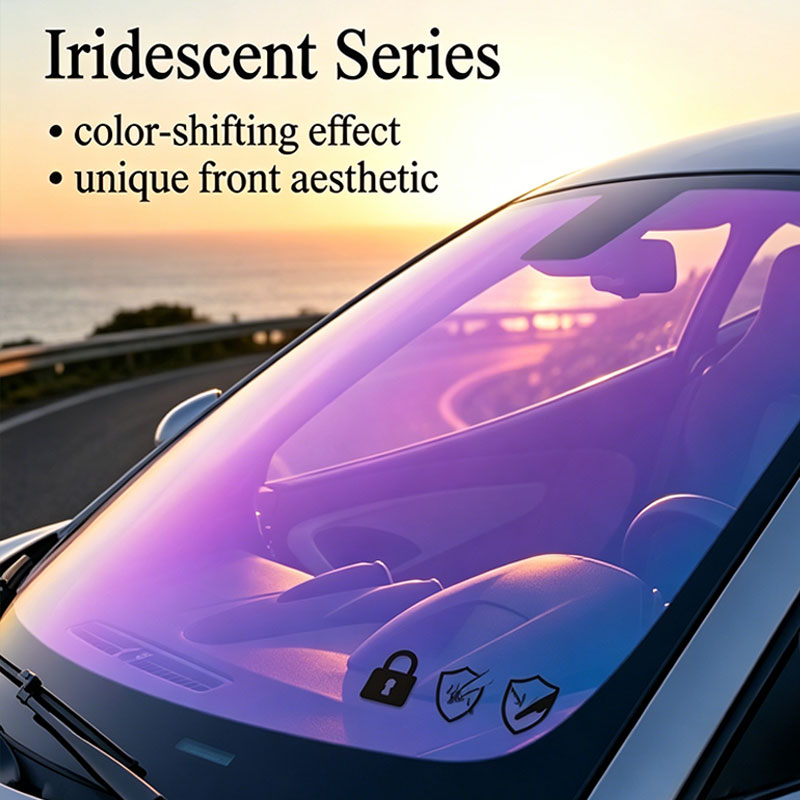
Irisierende Autofensterfolie
Diese Serie kombiniert fortschrittlichen Sonnenschutz mit einer einzigartigen himmelblauen Optik. Sie bietet eine kontrastreiche, klare Sicht und einen charakteristischen irisierenden Farbton und eignet sich ideal für hochwertige Fahrzeugveredelungen.
Die irisierende himmelblaue Autofensterfolie verbindet professionelle Sonnenschutzleistung mit einer modernen, dezenten blau schimmernden Optik. Sie wurde entwickelt, um Funktionalität und Design in Einklang zu bringen, und blockiert effektiv einen großen Teil der Sonnenwärme sowie UV-Strahlung. Dadurch wird die Aufheizung des Fahrzeuginnenraums reduziert, das Ausbleichen von Interieurmaterialien verlangsamt und der Fahrkomfort insgesamt verbessert.
Ihre spezielle optische Struktur sorgt für eine kontrastreiche, klare Sicht nach außen und reduziert gleichzeitig Blendungen, was sowohl bei Tag als auch bei Nacht zu einer sichereren Fahrt beiträgt. Die Folie besitzt einen subtilen, irisierenden Effekt, der sich je nach Lichteinfall leicht verändert und dem Fahrzeug eine hochwertige, aber zurückhaltende Optik verleiht.
Sie ist für die meisten Pkw geeignet, lässt sich blasenfrei verarbeiten und ist auf langfristige Haltbarkeit ausgelegt. Durch die Kombination aus zuverlässigem Sonnenschutz, verbessertem Fahrkomfort und einem eleganten irisierenden Himmelblau stellt diese Fensterfolie eine funktionale und stilvolle Aufwertung für anspruchsvolle Fahrzeugbesitzer dar.
Informationen müssen aktualisiert werden
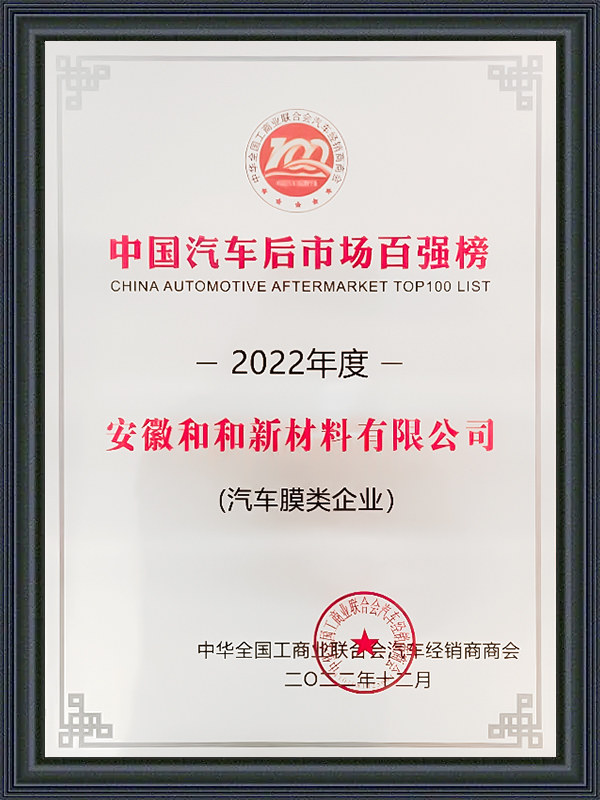
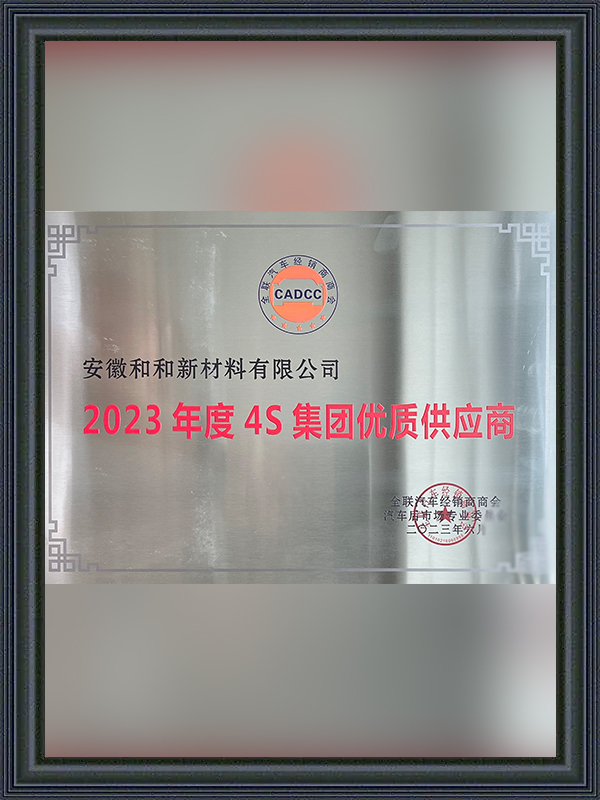
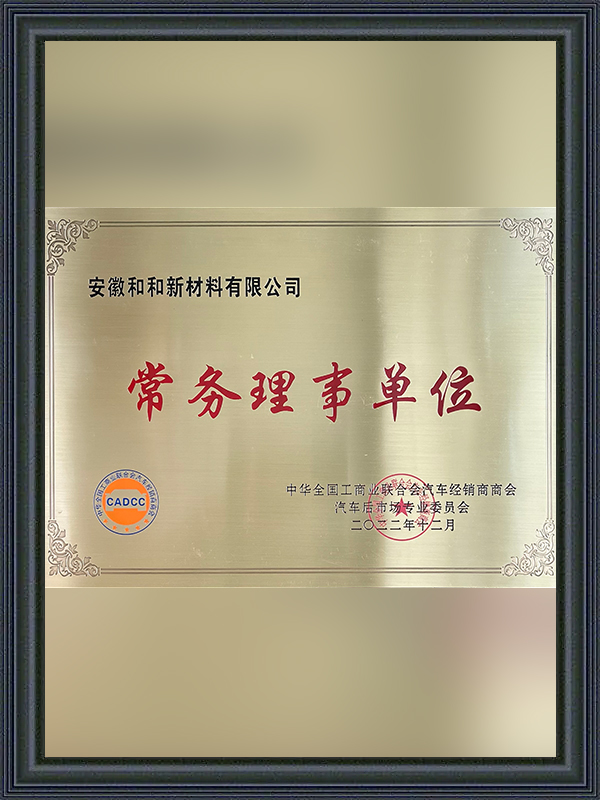
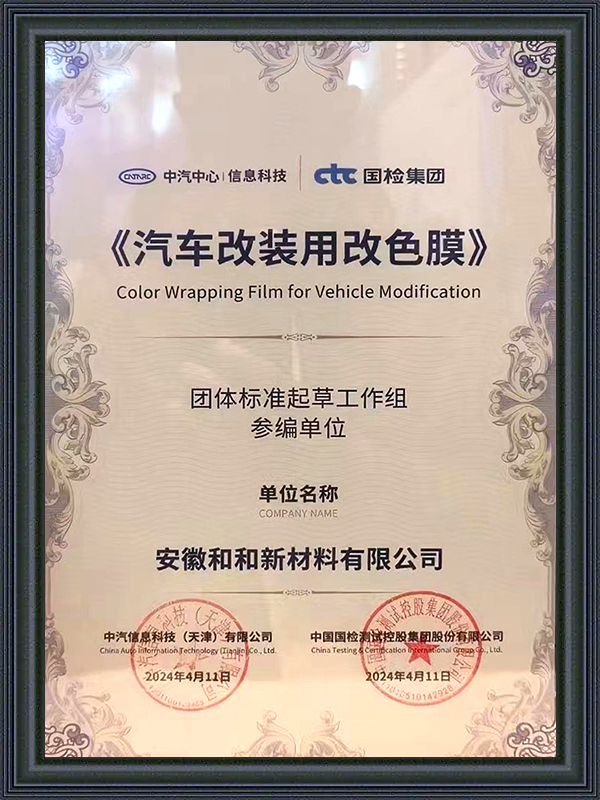
Branchenwissen
Bragg Stack Engineering: Herstellung winkelabhängiger Farbbewegungen
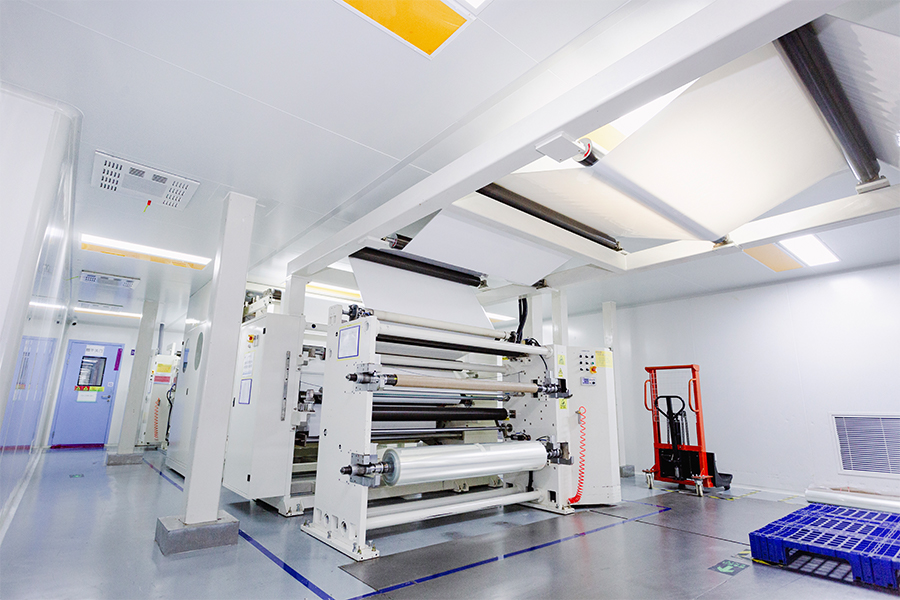
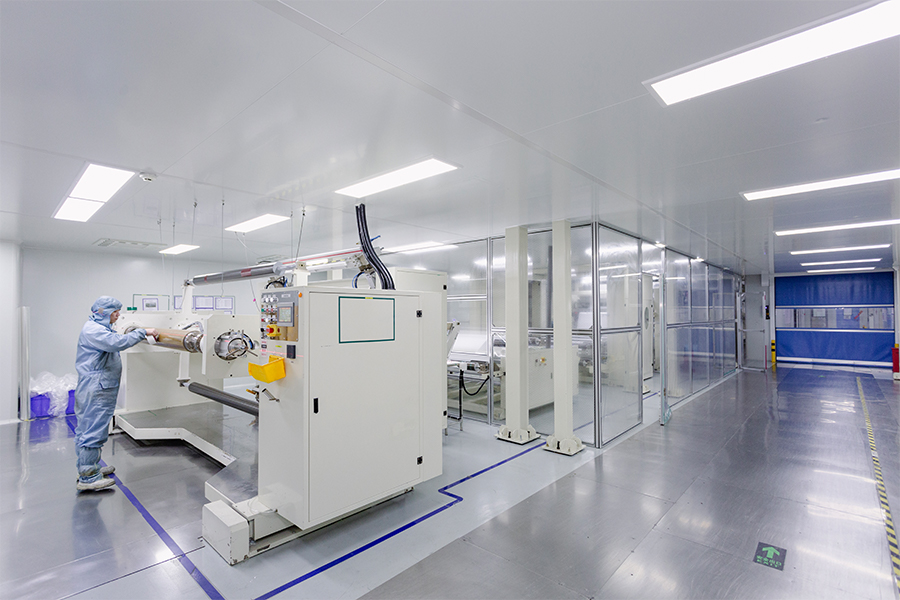
Das faszinierende Spektrum verschiebt sich Schillernde Autofensterfolie wird nicht durch Farbstoffe oder Pigmente erzeugt, sondern durch abwechselnde Schichten von Materialien mit kontrastierenden Brechungsindizes. Diese Bragg-Reflektorkonstruktion verursacht konstruktive Interferenz für eine bestimmte Wellenlänge in einem bestimmten Winkel, während der reflektierte Peak das sichtbare Spektrum durchläuft, wenn sich die Betrachtungsperspektive ändert. Anhui He He New Materials Co., Ltd., gegründet im Jahr 2019, baut diese optischen Stapel vollständig innerhalb seiner Produktionsplattform für Präzisionsbeschichtungen. Der Schlüssel zu einem lebendigen schillernden Effekt liegt in der Maximierung des Brechungsindexkontrasts zwischen benachbarten Nanoschichten – typischerweise in der Kombination eines hochbrechenden Metalloxids wie Titandioxid mit einer niedrigbrechenden Polymer- oder Siliziumoxidschicht. Ein Stapel von sieben bis elf solcher Paare kann bei der Zielwellenlänge einen Reflexionsgrad von über 80 % erreichen und so den brillanten Farbwechsel von Violett zu Gold erzeugen. Als direkter Hersteller mit einer echten Produktionsfabrik mit vollständiger Industriekette kauft HEHE keine vorbeschichteten irisierenden Folien; Wir tragen jede optische Schicht inline auf und härten sie aus. Dadurch haben wir absolute Kontrolle über den reflektierten Farbtonverlauf und stellen sicher, dass die schillernde Autofensterfolie ihre spektrale Reinheit behält, ohne sekundäre Reflexionen, die den Farbübergang trüben.
Die „Milchigkeits“-Falle vermeiden: Nanoschicht-Grenzflächenschärfe
Ein weit verbreiteter Fehler bei irisierenden Filmen minderer Qualität ist ein milchiges, undurchsichtiges Aussehen im Durchlicht, das durch diffuse Streuung an rauen Grenzflächen zwischen den abwechselnden Schichten verursacht wird. Wenn sich die Grenzflächenrauheit auch nur einem Zehntel der Zielwellenlänge nähert, zerfällt die kohärente Interferenz in zufällige Streuung. Anhui He He New Materials Co., Ltd. hält durch eine Kombination aus Substratplanarisierung und kontrollierter Härtungskinetik die quadratische Rauheit der Grenzfläche unter 2 Nanometern. Unsere funktionelle Beschichtungsformulierung für jede Schicht umfasst Oberflächenausgleichsmittel, die die molekulare Mobilität vor der Vernetzung fördern und es dem Nassfilm ermöglichen, sich zu einer optisch glatten Oberfläche abzusetzen, bevor die UV-Verfestigung die Struktur an Ort und Stelle fixiert. Diese Prozessbeherrschung, die aus unserer Erfahrung in der 3C-Elektronikindustrie hervorgegangen ist, wo optische Folien in Displayqualität keine Trübung erfordern, kommt dem Automotive-Schönheitssektor direkt zugute, indem sie dafür sorgt, dass die schillernde Kfz-Fensterfolie beim Blick aus dem Innenraum kristallklar erscheint, die Sicht des Fahrers bewahrt und Außenbeobachtern gleichzeitig ein spektakuläres Farbdrama bietet.
Dimensionsstabilität des Substrats während der Mehrdurchgangsbeschichtung
Für die Herstellung schillernder Autofensterfolien müssen nacheinander mehrere nasse Schichten aufgetragen werden, die jeweils einen Trocken- oder Härtungsofen durchlaufen. Das Polymersubstrat, typischerweise PET oder TPU, unterliegt wiederholten thermischen Expansions- und Kontraktionszyklen. Wenn sich die Bahn zwischen den Beschichtungsdurchgängen auch nur um 0,1 % verlängert, weicht die optische Dicke der nachfolgenden Schichten vom Designziel ab, was zu einer Farbverschiebung auf der Walze führt, die das bloße Auge sofort als Streifenbildung erkennt. Anhui He He New Materials Co., Ltd. bekämpft dies durch präzise Spannungskontrolle und Temperaturprofilierung innerhalb seiner Produktionslinie für Präzisionsbeschichtungen. Unser Bahntransportsystem hält die Spannung innerhalb von ±0,5 N über die gesamte Breite und wir verwenden Kühltrommeln zwischen den Durchgängen, die die Substrattemperatur vor der nächsten Beschichtungsstation auf die Umgebungstemperatur normalisieren. Die folgende Tabelle vergleicht die Dimensionsstabilität, die wir als Direkthersteller erreichen, mit typischen Branchenniveaus und unterstreicht die Prozessdisziplin, die erforderlich ist, um konsistente schillernde Effekte zu erzielen:
| Stabilitätsmetrik | Typischer Konverter-/Beschichter-Grenzwert | HEHE Full-Industry-Chain-Steuerung |
| Bahndehnung pro Wärmezyklus | 0,3–0,5 % (verursacht optische Drift von 15 nm) | < 0,05 % (vernachlässigbare Farbverschiebung über die Rolle hinweg) |
| Quergleichmäßigkeit der Schichtdicke | ±8 % an Bahnkanten | ±1,5 % Rand-zu-Mitte (Schlitzdüse mit Lippenabstimmung) |
| Vermischung zwischen benachbarten Nassschichten | Häufig (Müllfarbe der diffusen Schnittstelle) | Eliminiert durch stufenweises Ablüften und schnelles UV-Pinning |
Spektralfotometrisches Farb-Targeting für markenspezifische Signaturen
Die generische schillernde Autofensterfolie wechselt zwischen einer vorhersehbaren Cyan-Magenta-Gelb-Palette. Anhui He He New Materials Co., Ltd. verwandelt dies in ein Branding-Tool, indem es individuelle schillernde Signaturen entwickelt. Mithilfe einer optischen Dünnschichtsimulationssoftware in Verbindung mit unserem Inline-Spektrophotometrie-Feedback entwerfen wir Schichtdickensequenzen, die eine bestimmte Farbsequenz erzeugen – zum Beispiel den Übergang vom charakteristischen tiefen Blau einer Marke zu einem Kupfermetallic anstelle des standardmäßigen Pastellregenbogens. Unser Forschungs- und Entwicklungsteam für Spezialklebstoffe stellt sicher, dass der Montageklebstoff unter diesem kundenspezifischen optischen Stapel nicht vergilbt, was den reflektierten Farbton mit der Zeit verunreinigen würde. Im Rahmen unseres umfassenden Individualisierungsservice kann eine Luxusautomarke eine Fensterfolie in Auftrag geben, bei der die schillernde Schicht genau den Perlmutteffekt ihres Fahrzeuglacks widerspiegelt und so eine einheitliche Ästhetik auf Glas und Karosserieteilen schafft. Dies ist ein Maß an maßgeschneiderter optischer Technik, das nur dann möglich ist, wenn der Folienhersteller die gesamte Formulierung und Präzisionsbeschichtungsproduktion unter einem Dach kontrolliert und so eine Dekorfolie in ein integriertes Designelement verwandelt.
Umweltbeständigkeit der Paarung mit hohem und niedrigem Brechungsindex
Die lebendige Farbe von Schillernde Autofensterfolie beruht auf Polymer-Oxid- oder Polymer-Polymer-Wechselschichten, die häufig sehr unterschiedliche Feuchtigkeitsaufnahmeraten aufweisen. Beim Parken im Freien bei hoher Luftfeuchtigkeit schwillt die hygroskopische Schicht an, wodurch ihre physikalische Dicke zunimmt und die Bragg-Resonanz in Richtung längerer Wellenlängen verschoben wird. Der Film, der unter den Lichtern des Ausstellungsraums lila funkelte, wird an einem feuchten Morgen enttäuschend grünlich. Anhui He He New Materials Co., Ltd. wählt und synthetisiert hydrophobe Polymere mit niedrigem Index speziell für optische Stabilität. Im Rahmen unserer Plattform zur Formulierung funktioneller Beschichtungen testen wir jedes in Frage kommende Polymerpaar in einer Klimakammer bei zyklischen Schwankungen zwischen 20 % und 95 % relativer Luftfeuchtigkeit, während ein Spektrophotometer die Farbverschiebung in Echtzeit verfolgt. Nur Formulierungen, die über den gesamten Feuchtigkeitsbereich eine reflektierte Wellenlängenverschiebung von weniger als 8 nm aufweisen, gelangen in die Produktion. Darüber hinaus tragen wir über unsere Produktionslinie für Präzisionsbeschichtungen eine dichte, hydrophobe, klare Deckschicht auf, die als Feuchtigkeitsbarriere dient und die Dimensionsstabilität des schillernden Stapels sichert, ohne dessen reflektierende Brillanz zu trüben. Diese Wetterfestigkeit ist für den Automobil-Schönheitsmarkt von entscheidender Bedeutung, da die Folie an der Küste Floridas genauso gut funktionieren muss wie in der Wüste Arizonas.
Durchgelassene Farbneutralität versus reflektierte Farbbrillanz
Ein Designkonflikt, der schillernden Autofensterfolien innewohnt, besteht darin, dass der gleiche Interferenzeffekt, der blendende reflektierte Farben erzeugt, der Außenansicht zwangsläufig einen komplementären, durchgelassenen Farbton verleiht. Ein Film, der brillantes Blaugrün reflektiert, überträgt einen warmen Bernsteinstich. Autofahrer könnten Einwände gegen eine ständig sepiafarbene Welt haben. Anhui He He New Materials Co., Ltd. begegnet diesem Problem mit dem Konzept des „irisierenden Arbeitszyklus“. Indem wir den Bragg-Stapel so konstruieren, dass er Spitzenreflexion im ultravioletten und nahen Infrarotbereich aufweist, anstatt das sichtbare Band vollständig zu sättigen, schaffen wir einen Film, der einen hohen Prozentsatz der Energie für Farbeffekte reflektiert und gleichzeitig einen ausreichenden Teil des sichtbaren Spektrums unmoduliert lässt, um eine nahezu neutrale Lichtdurchlässigkeit aufrechtzuerhalten. Unsere Forschungs- und Entwicklungsplattform erforscht auch asymmetrische Stapeldesigns, bei denen das Reflexionsband genau am Schnittpunkt der photopischen Augenempfindlichkeitskurve und eines bestimmten Sonnenwinkels positioniert ist, wodurch die wahrgenommene Farbe für die Betrachter maximiert und gleichzeitig die durchgelassene Tönung für den Fahrer minimiert wird. Dieser anspruchsvolle optische Balanceakt resultiert direkt aus unserem Engagement, innovative Folienlösungen anzubieten, die Kunden nicht dazu zwingen, Sichtbarkeit zugunsten von Stil zu opfern.
Laserbewertete Transmission für die Integration neuer Energiesensoren
Im Bereich der neuen Energiebatteriefahrzeuge dürfen schillernde Folien auf Panoramadächern die Wellenlänge von 1550 nm, die von LIDAR-Sensoren mit großer Reichweite verwendet wird, nicht beeinträchtigen. Ein Standard-Bragg-Spiegel, der ausschließlich für sichtbares Schillern konzipiert ist, kann diese Infrarotwellenlänge unbeabsichtigt reflektieren. Anhui He He New Materials Co., Ltd. entwickelt ein spektral selektives Design, bei dem das Sperrband mit hohem Reflexionsvermögen absichtlich auf den sichtbaren Bereich von 400–700 nm beschränkt ist, während der Nahinfrarotbereich zu einem Transmissionsfenster wird. Diese „Kerbfilter“-Architektur stellt sicher, dass die Iridescent Automotive Window Film zur ästhetischen Identität des Autos beiträgt, ohne die für autonome Fahrfunktionen entscheidenden Signale zu dämpfen. Unser komplettes hauseigenes System, das die Forschung und Entwicklung von Spezialklebstoffen sowie die Formulierung funktioneller Beschichtungen abdeckt, ermöglicht es uns, diese Durchlässigkeit mit einem Spektrophotometer zu überprüfen, das auf 300 nm bis 2500 nm auf jeder Masterrolle kalibriert ist. Für Auftragsfertigungspartner, die diese Folie in Dachsysteme integrieren, stellen wir ein zertifiziertes Spektralübertragungszertifikat zur Verfügung, ein Maß an Datentransparenz, das unsere Rolle als Produktionsfabrik mit vollständiger Industriekette unterstreicht, die an der Schnittstelle zwischen Automobilschönheit und fortschrittlichen Fahrerassistenztechnologien tätig ist.
Kantendelaminierung aufgrund von Schichtspannungsunterschieden
Jede Schicht in einem Stapel schillernder Autofensterfolien härtet mit einer charakteristischen Schrumpfungsrate aus, wodurch eine kumulative innere Spannung entsteht. An der Schnittkante eines eingebauten Fensters konzentriert sich diese Spannung, und die schwächste Grenzfläche – häufig die Grenze zwischen einem harten Oxid und einem weichen Polymer – beginnt sich aufzulösen und erscheint als silbriger oder farbloser Rand. Anhui He He New Materials Co., Ltd. mildert dieses Problem durch eine Zwischenschichtstrategie mit abgestufter Konformität. Anstelle eines scharfen Übergangs von starr zu flexibel schichten wir Zwischenschichten mit einem maßgeschneiderten Elastizitätsmodul auf, das die Spannungskonzentration über einen breiteren Bereich verringert. Darüber hinaus dringt unsere Spezialklebstoffformulierung während des letzten Laminierungsschritts mikroskopisch aktiv in die Schnittkante ein, füllt Mikrorisse in der Oberfläche und macht die ersten paar Mikrometer der Kantenschnittstelle plastifiziert. Dies verhindert die Entstehung des Delaminationsrisses. In der folgenden Liste sind die primären Prozessprüfungen aufgeführt, die wir als direkter Hersteller durchführen, um die Kantenintegrität zu gewährleisten; Prüfungen, die bei der einfachen Umwandlung von durchsichtiger Schutzfolie im Großhandel, die von einem Dritten vorbeschichtet wurde, fehlen:
- Querschnitts-REM-Überprüfung der Grenzflächensteilheit: Jede diffuse Vermischung von mehr als 8 nm zwischen zwei optischen Schichten weist auf eine potenzielle Zone mit geringer Kohäsionsfestigkeit hin, die unter Kantenspannung zuerst versagt.
- Dornbiegetest bei 2 mm Radius nach Alterung bei 85 °C/85 % relativer Luftfeuchtigkeit: Die schillernde Beschichtung darf keine Mikrorisse aufweisen, wenn die Folie über ihre eigene Kante gefaltet wird, wodurch die extreme Montagebelastung auf rahmenlosem Türglas simuliert wird.
- Klebstoffverankerung an der untersten schillernden Schicht: Die Schälkräfte müssen 15 N/25 mm überschreiten, insbesondere an der Schnittstelle zwischen optischem Stapel und Klebstoff. Ein niedrigerer Wert bedeutet, dass sich die gesamte schillernde Baugruppe vom Glas löst und der Kleber zurückbleibt.
Anpassen des eckigen Farbverlaufs
Die Geschwindigkeit, mit der eine schillernde Autofensterfolie ihre Farbe ändert, wenn der Betrachter am Auto vorbeigeht – der Winkelgradient – ist eine Designentscheidung, die Anhui He He New Materials Co., Ltd. präzise einstellen kann. Ein „schneller“ Film durchläuft bei einem Betrachtungswinkel von 15 Grad den gesamten Regenbogen und erzeugt so ein dynamisches, äußerst aktives Erscheinungsbild. Ein „langsamer“ Film behält einen dominanten Farbton über einen größeren Bogen bei, bevor er zur nächsten Farbe übergeht und so eine raffiniertere, juwelenartige Beständigkeit verleiht. Diese Abstimmung wird durch Manipulation des effektiven Brechungsindex der Abstandsschichten innerhalb des Bragg-Stapels erreicht: Abstandshalter mit höherem Index komprimieren die Winkelbandbreite des Reflexionspeaks und erzeugen so einen schnelleren Farbdurchlauf. Unsere Forschungs- und Entwicklungsplattform unterhält eine Bibliothek validierter Nanodispersionen mit hohem Brechungsindex, die mit unserer Präzisionsbeschichtungsproduktion kompatibel sind und jeweils eine andere Winkeldispersionscharakteristik aufweisen. Für Großhandelspartner, die eine Produktlinie mit ausgeprägter Persönlichkeit anbieten möchten, können wir diesen optischen Parameter zusammen mit der Foliendicke und der Durchlässigkeit für sichtbares Licht anpassen und so eine differenzierte Markenwettbewerbsfähigkeit aufbauen, die von einer kräftigen, extrovertierten schillernden Folie bis hin zu einem subtilen, eleganten Perlmuttschimmer reicht, der für luxuriöse OEM-Spezifikationen geeignet ist.
-
 No. 5, Datang Road, East District, Development Zone, Guangde City, Xuancheng City, Anhui Province,242200, China
-
 [email protected]
-
 +86 18170340295
Urheberrecht Anhui He He New Materials Co., Ltd. Alle Rechte vorbehalten.
 TPU-PPF-Folie im Großhandel Hersteller von TPU-PPF für die Automobilindustrie